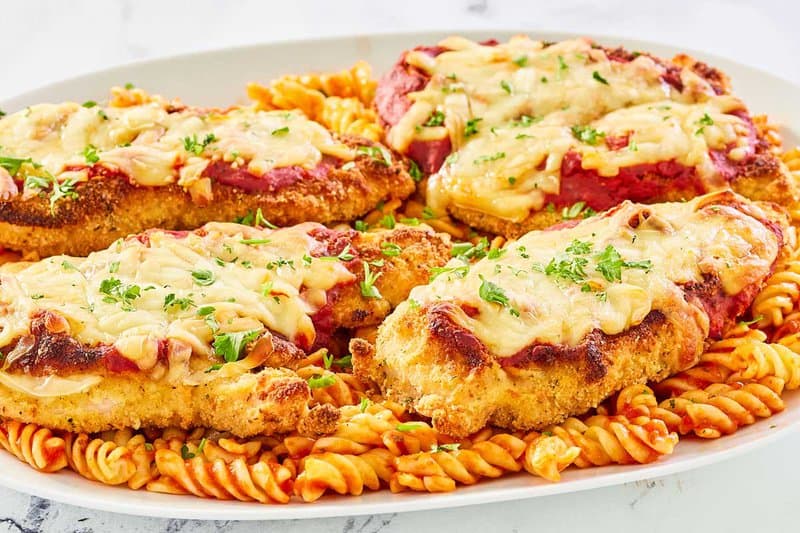
Copycat Olive Garden Chicken Parm: Crispy Restaurant Taste at Home
There’s something undeniably comforting and utterly satisfying about a perfectly made chicken parmigiana. That golden, crispy chicken cutlet, smothered in rich, tangy marinara sauce, and topped with a glorious blanket of bubbling, melted mozzarella and sharp Parmesan cheese – it’s a culinary hug on a plate. While many of us crave that classic restaurant experience, specifically the familiar warmth of an Olive Garden chicken parm, bringing that same magic into your own kitchen is not only achievable but often results in an even more delicious, personalized version. Forget soggy crumbs or dry chicken; this guide will unlock the secrets to creating a copycat Olive Garden chicken parm that’s so good, you might just prefer it to the original.
This iconic Italian-American dish, affectionately known by some as "Parma" or "schnitty with tomato sauce and cheese," is more than just a meal; it's a celebration of simple, robust flavors and textures. Whether you're seeking a hearty weeknight hero, a special family dinner, or just a comforting treat on a rainy day, mastering homemade
chicken parmigiana will quickly become one of your most cherished recipes.
Unlocking the Crispy, Juicy, Cheesy Magic
The quest for the ultimate homemade chicken parm often begins with a desire to avoid the common pitfalls of many restaurant or pub versions: the dreaded soggy crust, the disappointingly dry chicken, or a lackluster sauce. Our goal here is to achieve the pinnacle of
chicken parmigiana perfection: a chicken cutlet that boasts an incredibly crunchy exterior, a succulent, juicy interior, a robust and flavorful marinara, and that irresistible, gooey cheese pull.
The beauty of making it yourself lies in controlling every element. We'll dive deep into techniques that ensure each bite delivers that ideal balance of texture and taste, transforming simple ingredients into a dish that truly hits the spot, every single time. It's not just about following a recipe; it's about understanding the synergy between each component.
The Foundation: Achieving That Signature Crispy Crust
The hallmark of an exceptional chicken parm is its crust. It needs to be golden, flavorful, and above all, genuinely crispy – even after being bathed in sauce and baked.
1.
Pounding the Chicken Thin: This crucial first step ensures two things: rapid cooking and consistent tenderness. Pounding boneless, skinless chicken breasts to an even 1/4 to 1/2 inch thickness (using a meat mallet or rolling pin between two sheets of plastic wrap) not only helps them cook quickly and evenly but also provides a larger surface area for that delicious breading. Thinner cutlets also prevent the chicken from becoming tough during the "double cook" process (pan-frying followed by baking).
2.
The Perfect Breading System: Our copycat recipe elevates the traditional breading.
*
Flour Dredge: A light coating of seasoned all-purpose flour helps the egg wash adhere better.
*
Egg Wash: Whisk eggs with a splash of milk or water, and importantly, a pinch of salt and pepper. This adds another layer of seasoning.
*
Breadcrumb Blend: This is where the magic happens. While fine breadcrumbs are standard, incorporate Panko breadcrumbs for unparalleled crispness. Furthermore, mixing in finely grated Parmesan cheese into your breadcrumbs adds a savory, nutty depth and helps achieve that golden-brown color.
3.
Pan-Frying Secrets: For that initial crunch, shallow pan-frying is key. Use a neutral oil with a high smoke point (like canola, vegetable, or grapeseed oil) heated to around 350-375°F (175-190°C). Don't overcrowd the pan; fry only 1-2 cutlets at a time to maintain the oil temperature and ensure even browning. Cook for just 2-3 minutes per side until beautifully golden brown. The goal here isn't to cook the chicken through, but to lock in that crispy texture before it goes into the oven.
The Secret to Unbelievably Juicy Chicken: The Dry Brine
One of the biggest challenges in making a truly stellar
chicken parmigiana is preventing the chicken from becoming dry, especially after it undergoes the "double cook" – first pan-fried, then baked in the oven. The solution, and a true game-changer, is the dry brine.
Unlike traditional liquid marinades which can sometimes lead to a soggy crumb by causing the chicken to release moisture during cooking, a dry brine works like magic. By simply seasoning your pounded chicken cutlets generously with salt, black pepper, and a good quality Italian herb mix (or individual herbs like dried oregano and basil) 30 minutes to a few hours before cooking, you initiate a remarkable process. The salt initially draws out some moisture from the chicken, but then, through osmosis, this seasoned liquid is reabsorbed, resulting in chicken that is incredibly tender, bursting with flavor, and significantly more resistant to drying out during the cooking process. It creates a juicier, more seasoned interior without compromising the crispness of the exterior. This technique is so crucial for the best results, you'll wonder how you ever made
chicken parmigiana without it! For a deeper dive into this transformative technique, explore
Unlock Juicy Chicken Parm: The Dry Brine Secret Revealed.
Building Layers of Flavor: Sauce and Cheese
Beyond the chicken, the marinara and cheese are the heart and soul of this classic dish, providing the essential sauciness and gooey deliciousness.
Marinara: The Heart of Your Chicken Parmigiana
The quality of your marinara sauce can elevate your
chicken parmigiana from good to extraordinary.
While a homemade marinara sauce is always a labor of love and yields the most authentic flavor, a high-quality store-bought sauce can also be fantastic with a few simple enhancements:
*
Aromatics: Sauté finely minced garlic and diced onion in olive oil before adding the jarred sauce. This builds a foundational layer of flavor.
*
Acidity and Depth: A splash of dry red wine (like Merlot or Cabernet Sauvignon) simmered down before adding the sauce can add complexity. Alternatively, a tablespoon of balsamic vinegar can provide a similar effect. A pinch of sugar can help balance the acidity of the tomatoes.
*
Herbs: Fresh basil and oregano are incomparable. Stir them in towards the end of cooking to preserve their vibrant flavor. A bay leaf simmered with the sauce also adds subtle depth.
*
Body: If your sauce seems too thin, let it simmer gently for longer to reduce and thicken. For a richer flavor, a small amount of chicken stock, as suggested in some traditional recipes, can be added.
Remember, the sauce should be robust but not overly chunky, allowing it to coat the chicken beautifully without making the breading instantly soggy.
The Melted Masterpiece: Cheese Selection and Layering
The cheese component of
chicken parmigiana is all about that beautiful, gooey pull and savory depth.
*
Mozzarella: Opt for low-moisture, part-skim mozzarella cheese, either freshly grated or sliced from a block. Avoid fresh mozzarella for this dish, as its high water content can make the dish watery. Low-moisture mozzarella melts beautifully, offering that signature stretch without excessive liquid.
*
Parmigiano-Reggiano: This aged Italian cheese provides a sharp, salty, and nutty counterpoint to the milder mozzarella. Always grate it fresh for the best flavor; pre-grated Parmesan often contains anti-caking agents that hinder its melting.
*
Layering is Key: A sprinkle of Parmesan directly on the sauce before adding the chicken, then a generous topping of both mozzarella and Parmesan on the chicken, ensures every bite is infused with cheesy goodness.
Assembling Your Restaurant-Quality Chicken Parm
Once your chicken is perfectly crispy and your sauce is simmering, it's time to bring it all together for its final transformation in the oven.
1.
Prepare the Baking Dish: Spoon a thin layer of your enhanced marinara sauce on the bottom of an oven-safe baking dish. This prevents sticking and adds flavor from the start.
2.
Layer the Chicken: Carefully place the pan-fried chicken cutlets on top of the sauce in a single layer, ensuring they don't overlap too much.
3.
Sauce and Cheese: Spoon a generous amount of marinara sauce over each chicken cutlet, ensuring good coverage. Then, layer with plenty of shredded low-moisture mozzarella and a sprinkling of freshly grated Parmigiano-Reggiano. The amount of cheese is truly a matter of personal preference, but for that Olive Garden copycat feel, don't be shy!
4.
Bake to Perfection: Transfer the baking dish to a preheated oven (typically around 375-400°F or 190-200°C) and bake for 15-20 minutes, or until the cheese is gloriously melted, bubbly, and slightly golden at the edges, and the chicken is cooked through and tender. If you desire extra browning on the cheese, you can briefly switch to the broiler for the last minute or two, watching carefully to prevent burning.
For more detailed steps on assembling and baking, including nuances for achieving maximum crispness, you might find additional valuable insights in
Homemade Chicken Parmigiana: Crispy, Juicy & Cheesy Perfection.
Tips for Copycat Success & Beyond
To ensure your homemade
chicken parmigiana rivals or even surpasses your favorite restaurant version, keep these practical tips in mind:
*
Don't Skip Pounding: Even if it seems like an extra step, uniform thickness is vital for texture and cooking time.
*
Embrace the Dry Brine: This is a non-negotiable step for juicy chicken, especially with the double-cook method.
*
Oil Temperature Matters: Ensure your oil is hot enough for frying. Too cool, and your breading will absorb too much oil and become greasy; too hot, and it will burn before browning. Use a thermometer or test with a pinch of breadcrumbs (they should sizzle immediately).
*
Preheat Your Dish: For an extra crispy bottom, sometimes preheating your baking dish can help.
*
Rest Before Serving: Let the finished
chicken parmigiana rest for a few minutes out of the oven. This allows the juices to redistribute and the cheese to set slightly, making it easier to serve.
*
Serving Suggestions: While classic spaghetti is a go-to, consider serving your chicken parm with a light side salad, garlic bread, or even some roasted vegetables like asparagus or broccoli.
*
The No-Fry Version: If you're looking for a slightly lighter take or prefer not to pan-fry, you can prepare the breaded cutlets and bake or air fry them until golden and crispy before topping with sauce and cheese. While the texture might be slightly different, it can still be incredibly delicious.
Conclusion
There's immense satisfaction in recreating a beloved restaurant dish like Olive Garden's
chicken parmigiana in your own kitchen, especially when the result is even better than you remember. By focusing on crispy breading, incredibly juicy chicken, a robust marinara, and layers of melted cheese, you're not just making a meal; you're crafting an experience. This recipe empowers you to take control of the flavors and textures, ensuring every single bite is a testament to the comforting, irresistible allure of classic Italian-American cuisine. So, gather your ingredients, follow these steps, and prepare to indulge in a homemade chicken parm that will have everyone asking for seconds.