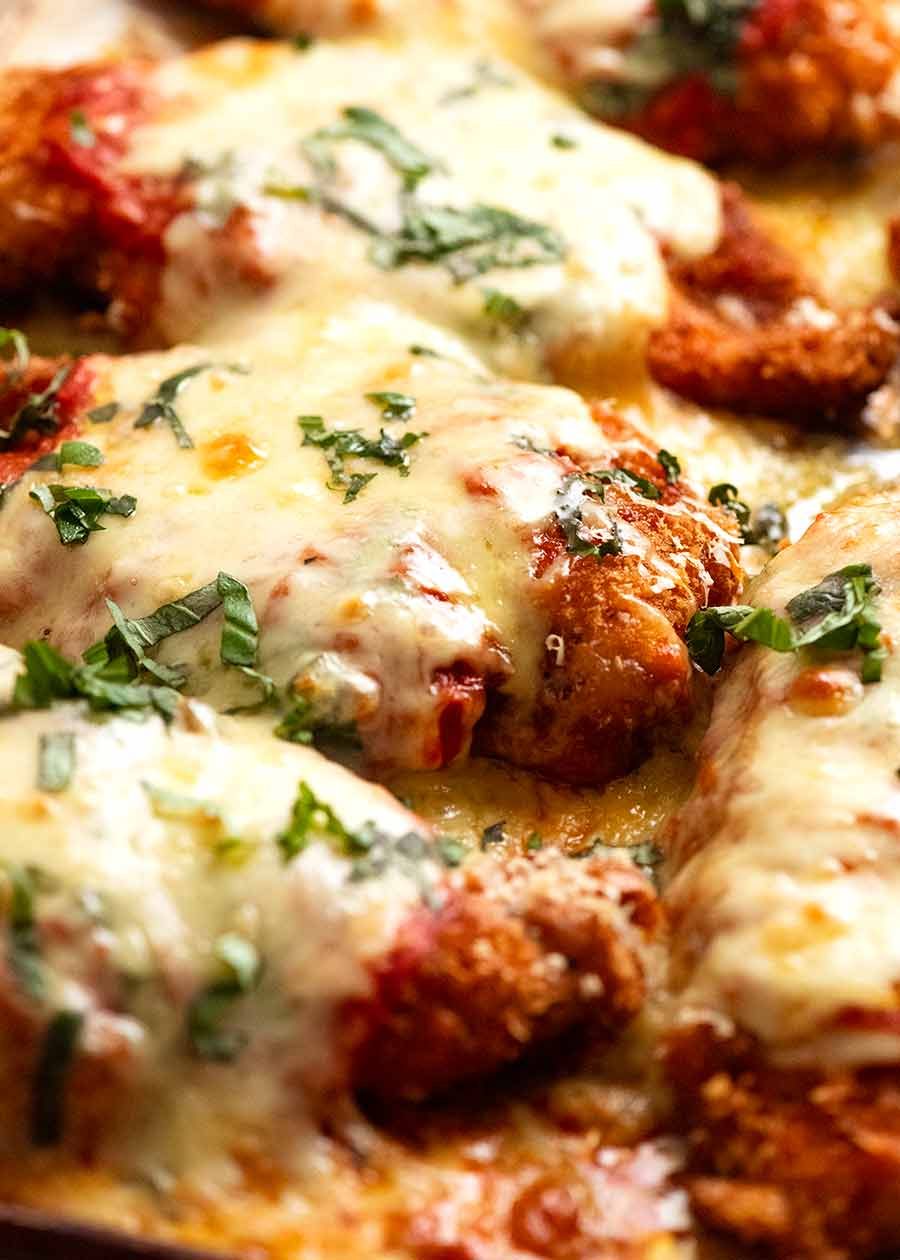
Unlock Juicy Chicken Parm: The Dry Brine Secret Revealed
Few dishes evoke the same sense of warmth, comfort, and pure indulgence as Homemade Chicken Parmigiana: Crispy, Juicy & Cheesy Perfection. This beloved Italian-American classic, with its crispy breaded chicken cutlets, rich marinara sauce, and layers of melted mozzarella and Parmesan cheese, is a culinary hug on a plate. Whether you're craving a hearty family dinner, a cozy meal on a rainy day, or simply a taste of that classic restaurant-style dish without leaving home, chicken parmigiana always hits the spot.
However, many home cooks face a common dilemma: how to achieve that perfect balance of juicy chicken and a gloriously crispy crust, especially when the chicken undergoes a "double cook" – pan-frying followed by baking. Often, the result can be dry chicken and a soggy breading, far from the ideal. What if there was a simple secret to ensure your chicken parmigiana is consistently succulent, flavorful, and boasts an irresistible crunch? There is, and it lies in an often-overlooked technique: the dry brine.
The Irresistible Allure of Classic Chicken Parmigiana
For generations, chicken parmigiana has reigned supreme as a comfort food staple, transcending mere sustenance to become a cherished experience. Imagine: a tender, golden-brown chicken cutlet, encased in a perfectly seasoned, crunchy coating. It's smothered in a vibrant, tangy marinara sauce, then blanketed with a generous layer of gooey, melted mozzarella and sharp, salty Parmesan cheese. Served alongside a tangle of spaghetti or a crisp green salad, it’s a symphony of textures and flavors that satisfies on every level.
This dish is so universally adored that it takes on various affectionate names – from "Parma" or "Parmi" in Australia to simply "a schnitty with tomato sauce and cheese." Its appeal stretches from humble family kitchens to bustling pub grub menus, and it's the kind of meal that can turn any ordinary day into a special occasion. Whether you're intentionally making it for a special gathering or impulsively deciding that "nothing was stopping you" from indulging in homemade comfort, the promise of crispy, juicy chicken and molten cheese is a powerful draw. But achieving this restaurant-quality perfection at home often hinges on mastering a few key techniques.
Common Pitfalls: Why Your Parmigiana Might Miss the Mark
While the concept of chicken parmigiana seems straightforward, several common issues can prevent it from reaching its full potential. Have you ever cut into what you thought would be a glorious piece of parmigiana only to find the chicken disappointingly dry? Or perhaps the beautifully golden crust you achieved during pan-frying turned into a soggy, lackluster mess after baking with the sauce and cheese?
These frustrations are all too common. Here's why they often occur:
- The Double Cook Dilemma: Chicken parmigiana requires the chicken to be cooked twice – first pan-fried to develop that initial crispness and golden color, then baked in the oven to melt the cheese and marry the flavors with the sauce. This extended cooking time, especially for thinly pounded chicken, can easily lead to overcooked, dry meat.
- Soggy Crumbing: This is perhaps the most vexing issue. Liquid, whether from the chicken itself or from a liquid marinade, can seep into the breading during cooking, turning that desirable crunch into a soft, unappealing coating. The steam generated during baking under a blanket of sauce and cheese also contributes to this problem.
- Lack of Flavor Depth: Sometimes, the individual components lack seasoning, resulting in a dish that's merely "good" rather than truly spectacular. A bland chicken cutlet or an uninspired sauce can dampen the entire experience.
- Uneven Cooking: If chicken cutlets aren't pounded to an even thickness, some parts can dry out while others are still cooking, leading to inconsistent texture.
Addressing these challenges is crucial for elevating your homemade chicken parmigiana from simply acceptable to truly extraordinary. And the most impactful solution for the juiciness and preventing sogginess comes down to one simple, yet powerful, technique.
Unveiling the Dry Brine Secret for Unbeatable Juiciness
The single most important secret to ensuring your chicken parmigiana remains incredibly juicy through its double cook and boasts a beautifully crispy crust is the homemade-chicken-parmigiana-crispy-juicy-cheesy-perfection.html">dry brine. This simple technique is a game-changer, acting as a marinade that works magic from the inside out.
What is Dry Brining and How Does It Work?
Dry brining is the process of coating meat, in this case, chicken, with salt and other seasonings, then letting it rest for a period. Unlike a liquid brine where the meat soaks in a saltwater solution, a dry brine focuses on the direct application of salt to the surface. Here's the science behind its effectiveness:
- Initial Moisture Draw: When salt is applied to the chicken, osmosis initially draws moisture out of the meat to the surface.
- Salt Dissolution and Reabsorption: The salt dissolves in this surface moisture, creating a concentrated brine. Over time, this briny liquid is reabsorbed back into the chicken muscle fibers.
- Protein Transformation: As the salted liquid moves back into the meat, the salt works to break down some of the muscle proteins. This structural change allows the chicken to hold onto more moisture during cooking. It also makes the meat more tender and helps the seasoning penetrate deeply, flavoring the chicken from within.
The result? Chicken that is not only profoundly seasoned but also significantly more resistant to drying out, even after the intense heat of pan-frying and subsequent baking. This is paramount for chicken parmigiana, where the goal is molten cheese and a tender interior, not a rubbery cutlet.
Why Dry Brine is Superior for Parmigiana (Over Liquid Marinades)
While liquid marinades can also tenderize and flavor, they are often detrimental to a crispy breaded coating. Liquid brines introduce excess moisture into the chicken, which can then leach out during frying and baking, directly contributing to a soggy crust. They also tend to dilute the chicken's natural flavor.
A dry brine, however, works differently. By drawing out and then reabsorbing its *own* moisture, the chicken's surface can actually become drier before cooking. This drier surface is ideal for achieving a super crispy breading that adheres perfectly and stays crunchy throughout the entire cooking process. It prevents the dreaded "soggy schnitzel" that plagues many homemade versions.
Implementing the Dry Brine for Your Chicken Parm
The beauty of a dry brine for chicken parmigiana is its simplicity. All you need are:
- Salt: Kosher salt or fine sea salt works best.
- Black Pepper: Freshly ground for best flavor.
- Italian Herb Mix: Or a blend of dried oregano, basil, thyme, and garlic powder for that classic Italian flavor profile.
Method: Pat your pounded chicken cutlets thoroughly dry with paper towels. Sprinkle both sides generously with the salt, pepper, and Italian herb mix. Gently rub the seasonings into the chicken. Place the seasoned cutlets on a wire rack set over a baking sheet (to allow air circulation) and refrigerate for at least 30 minutes, or ideally 2-4 hours, and even up to overnight. The longer it brines, the more profound the effect on juiciness and flavor. Before breading, simply pat them dry again if there's any visible moisture. This simple step truly works like magic!
Beyond the Brine: Crafting the Perfect Chicken Parmigiana
While the dry brine is the secret weapon for juiciness, crafting truly exceptional chicken parmigiana involves attention to a few other key details. Think of it as building layers of flavor and texture, ensuring every bite is sensational:
- Pound it Thin and Even: Start with boneless, skinless chicken breasts and pound them to an even 1/4 to 1/2-inch thickness. This ensures uniform cooking, tenderness, and allows for quick cooking, preventing dryness. A meat mallet or the bottom of a heavy skillet (between two sheets of plastic wrap) works perfectly.
- Layered Seasoning: Don't stop at the dry brine! Season your breading mixture too. A combination of Panko breadcrumbs (for superior crunch) and grated Parmesan cheese (for extra flavor) is ideal. Mix in a little garlic powder, onion powder, and dried herbs into your breadcrumbs for an extra flavor boost. Ensure your egg wash is also seasoned lightly.
- Achieve the Crispiest Crust: After dry brining, bread your chicken using a standard dredging station: seasoned flour, seasoned egg wash, then the seasoned breadcrumb mixture, pressing firmly to adhere. Pan-fry in a neutral oil (like canola or vegetable) over medium-high heat until golden brown and crispy on both sides, typically just 2-3 minutes per side. Don't overcrowd the pan, as this lowers the oil temperature and can lead to steaming rather than frying.
- Quality Marinara is Key: A fantastic sauce can make or break your chicken parmigiana. While homemade marinara is always superior, a good quality store-bought sauce can be elevated with a splash of red wine or chicken stock, a pinch of sugar to balance acidity, and a handful of fresh basil added at the end. Rich, tangy, and simmering with Italian flavors, it's the perfect bed for your crispy chicken.
- The Perfect Cheese Pull: Use a combination of low-moisture, whole-milk mozzarella for that signature gooey stretch and freshly grated Parmesan or Pecorino Romano for a salty, nutty depth of flavor. Layer them generously over the sauced chicken before baking.
- The Quick Bake: Remember, the chicken is already cooked through from pan-frying. The bake in the oven is primarily to melt the cheese and allow the flavors to meld. A short bake at around 375-400°F (190-200°C) for about 10-15 minutes is usually sufficient. Overbaking risks drying out the chicken.
By combining the power of the dry brine with these thoughtful steps, you'll be well on your way to crafting a chicken parmigiana that rivals your favorite Italian restaurant, or even our Copycat Olive Garden Chicken Parm: Crispy Restaurant Taste at Home.
Conclusion
The quest for the ultimate chicken parmigiana — tender, juicy, and boasting a perfectly crisp crust — ends with understanding and embracing the simple yet transformative power of the dry brine. This essential technique, coupled with careful attention to seasoning and cooking methods, ensures that your homemade version will always be a triumph. Say goodbye to dry chicken and soggy breading, and hello to layers of succulent flavor, undeniable crunch, and a melty, cheesy embrace that truly hits the spot.
Whether you're battling a sudden craving or planning a cherished family meal, this classic comfort food, executed with the dry brine secret, proves that some culinary endeavors are well worth using the oven for. So, gather your ingredients, prepare your chicken, and get ready to unlock a truly sensational chicken parmigiana experience in your own kitchen. It's time to cure that craving with the best chicken parm of your life!
